Jesus Made Me a Fisher of Man I Can Catc Review
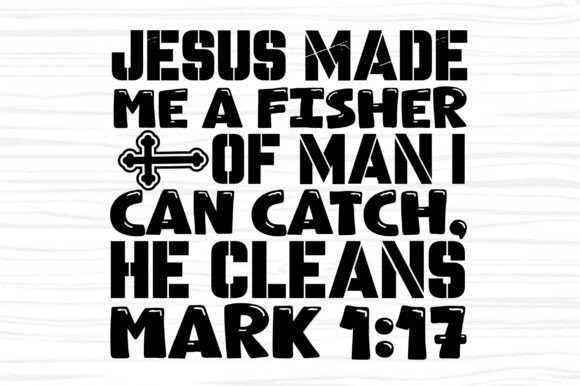
As an embroidery digitizer and product reviewer, I approach every new graphic with a specific question: will this actually stitch out cleanly on fabric? When evaluating Jesus Made Me a Fisher of Man I Can Catc, my first impression is that it carries a distinct, playful personality that bridges the gap between traditional faith-based messaging and modern, whimsical aesthetics. The design leans into a lighthearted pun that resonates with cat lovers and believers alike, creating an immediate emotional hook. However, as a professional, I know that visual appeal on a screen does not always translate to a successful machine embroidery design. This review breaks down how this graphic performs when moved from a digital cutting file concept to a tangible embroidery project.
Translating Digital Graphics to Stitched Reality
The source material for Jesus Made Me a Fisher of Man I Can Catc is described as a cutting file compatible with machines like Cricut and Silhouette. For us in the craft business world, this presents both an opportunity and a caution. Cutting files are vector-based and optimized for blades, not needles. Before you load this into your embroidery software, you must assess the line weight and detail. A vinyl cutter can handle razor-thin lines that would cause thread breaks or puckering in an embroidery file.
Visually, the layout suggests a balance between text and illustrative elements. For a successful tote bag design or sweatshirt embroidery, the transition from digital graphic to stitch requires careful digitizing. If you are converting this yourself, pay close attention to the lettering. Script fonts often require a thicker column width than their vinyl counterparts to prevent the satin stitch from tunneling. The feline illustration likely contains curves that need proper underlay to maintain shape on stretchy knits. As T-Shirt Designs, these graphics must be robust enough to withstand washing while remaining soft against the skin.
Real-World Application: The Custom Tote Bag Test
To truly judge the viability of Jesus Made Me a Fisher of Man I Can Catc, I mentally placed it on a canvas tote bag, a staple item for any Etsy seller or church boutique. Totes provide a stable, woven foundation that is forgiving for detailed Graphics. In this scenario, the design serves as a conversation starter. The humor softens the religious message, making it accessible for younger demographics or casual wear.
However, the real test lies in the stitching sequence. On a natural canvas, I would recommend using a high-contrast thread palette. If the original graphic uses multiple colors, consider simplifying the palette for embroidery to reduce jump stitches and trims. A fill stitch background might be necessary if the design relies on negative space that works in vinyl but looks sparse in thread. For a personalized gift, adding a name below the main motif in a simple running stitch can elevate the perceived value without overcrowding the composition. This specific application highlights why understanding fabric texture is vital; the rough weave of canvas demands slightly denser stitching than a smooth quilting cotton to ensure the design doesn't get lost in the grain.
Navigating Fabric Limitations and Hoop Constraints
While Jesus Made Me a Fisher of Man I Can Catc shines on stable fabrics, it requires strategic planning for more challenging materials. If you intend to use this for baby embroidery on onesies or knit caps, you must address stability. Stretchy fabrics are the enemy of precise lettering. Without adequate stabilizer, the humorous text could distort, turning a clever pun into an unreadable mess. I always advise testing on scrap fabric first, specifically the same material you plan to sell or gift.
Consider the hoop size carefully. This design likely has a horizontal or square aspect ratio. Trying to cram it into a small 4x4 hoop might force you to shrink the text below legible limits. Conversely, placing it too large on a lightweight t-shirt can create a "bulletproof" patch effect where the stitch density makes the garment stiff and unwearable. For commercial embroidery projects, finding that sweet spot where the design is visible but the garment remains comfortable is what separates amateur work from professional custom apparel.
Dark fabrics also present a challenge. If the original graphic was designed for white paper or light vinyl, simply changing thread colors isn't enough. You may need to add a white underlay or outline to make the design pop against navy or black sweatshirts. This extra step ensures the finished product maintains its visual integrity regardless of the base color.
Commercial Viability for Makers and Sellers
For the small shop product lineup, versatility is key. Jesus Made Me a Fisher of Man I Can Catc offers excellent cross-market potential. It fits perfectly into niche categories like Christian pet lovers, Sunday school teacher gifts, or vacation bible school merchandise. When creating printable mockups for your online listings, ensure the digital preview accurately represents the stitched texture. Customers trust sellers who show realistic expectations rather than flat digital vectors.
If you are selling this as part of a bundle of design assets, be transparent about its origins. Since it stems from a cutting file ecosystem, clarify whether you have digitized it specifically for embroidery or if you are selling the vector for others to convert. Ethical Etsy seller practices build long-term brand loyalty. Furthermore, verify the licensing. Just because a file is an instant download does not automatically grant commercial rights for embroidered goods. Protecting your business means confirming you can legally sell items featuring this specific phrase and artwork.
Essential Technical Notes for Embroiderers
Before you commit Jesus Made Me a Fisher of Man I Can Catc to a final project, run through this practical checklist to ensure professional results:
- Verify File Compatibility: Confirm the download includes actual embroidery formats (PES, DST, JEF, etc.) or be prepared to digitize the vector cutting file yourself. Do not assume a SVG is stitch-ready.
- Test Stitch Density: Run a sample on scrap fabric. Check if the satin stitch borders are too thin or if the fill areas are too dense for the chosen material.
- Check Small Details: Inspect the cat’s facial features and smaller text elements. If they are less than 1mm wide, they may need to be enlarged or simplified to prevent needle breaks.
- Evaluate Stabilizer Needs: Match your backing to the fabric. Use cut-away for knits and tear-away for wovens. Consider a water-soluble topping for textured fabrics like towels to keep stitches crisp.
- Review Thread Contrast: Ensure the thread colors provide sufficient contrast against your target fabric. Low contrast kills readability in embroidered text.
- Confirm Licensing: Double-check the terms for both personal and commercial embroidery use before listing any handmade product for sale.
- Mockup Accuracy: Create digital embroidery file previews that simulate stitch direction and texture to set accurate customer expectations.
Final Thoughts on Design Integrity
Jesus Made Me a Fisher of Man I Can Catc is a charming concept with strong potential for the right maker. Its success depends entirely on technical execution. By respecting the differences between cutting files and embroidery files, and by adapting the design to suit specific fabrics and hoop sizes, you can transform a simple digital graphic into a beloved holiday embroidery keepsake or a best-selling boutique item. Always prioritize stitch quality over speed, and remember that in the world of textile art, the tactile experience is just as important as the visual message. Whether you are making an embroidered patch for a ministry team or a cozy sweatshirt for a craft fair, let practical judgment guide your creative process.